
What Is Temporal Colonialism?
Short · Thomas Faist on the debt we owe future generations

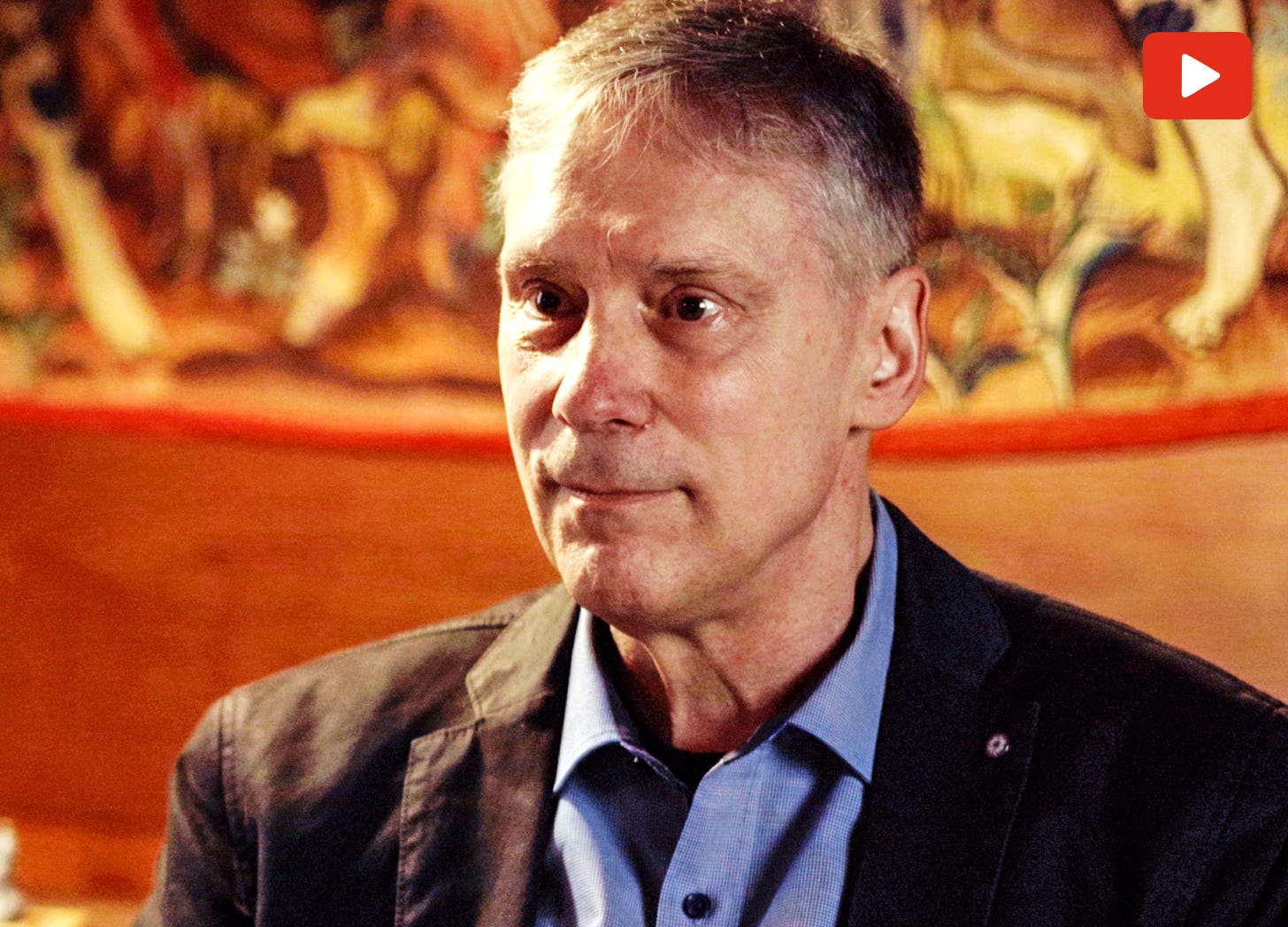
What happens when we recognize that generations themselves are a form of diversity?
Sociologist Thomas Faist introduces the concept of “temporal colonialism” — the systematic consumption of resources that future generations will need to sustain life on earth. Drawing on his work on climate change and environmental degradation, Faist argues that both historical injustice and future responsibility demand a forward-looking approach to compensation and justice.
We asked:
“What is the most important thing to bear in mind when imagining or thinking about futures of social difference?”
Faist’s framework reframes the diversity debate by adding a temporal dimension that cuts across all other social categories. His argument that compensation for the past must be applied to the future offers a provocative bridge between environmental justice and the broader questions of social difference explored throughout Futures of Difference.
About: Prof. Thomas Faist is a professor of Sociology of Transnationalization, Migration and Development at Bielefeld University. His research centers on international migration, transnational social spaces, social inequalities, and political sociology.
Full statement
What is the most important thing to bear in mind when imagining or thinking about futures of social difference?
For me, the most important thing to bear in mind when imagining the future of social difference is the responsibility for future generations. That comes from my work on climate change and environmental degradation. I think responsibility for future generations is an answer to what I term temporal colonialism. We all know about colonialism of the past when indigenous people were subjugated by European powers.
I think what we are living through now is also a case of temporal colonialism, when we eat away the resources future generations need to lead a sustainable life, to ensure the habitability of the earth. That’s why I think responsibility for future generations is a challenge for diversity. So diversity, or I call it heterogeneity, in this case is generations.
But I think the future orientation also applies to past, to the past. In the past, the non-European people have not emitted greenhouse gases a lot. It has been the Europeans during industrialization. Now, that past was an unjust one. And I think for the future, we need to think of how to make compensation, to make amends for that. And compensation really means not compensation for the past to the past, but compensation for the future.
Futures of Difference is produced by Steven Vertovec at the Max Planck Institute for Political and Social Science (formerly the Max Planck Institute for the Study of Religious and Ethnic Diversity).