
Moral Boundaries and the Future of Solidarity
Short · Michèle Lamont on how imagined futures create real inequality

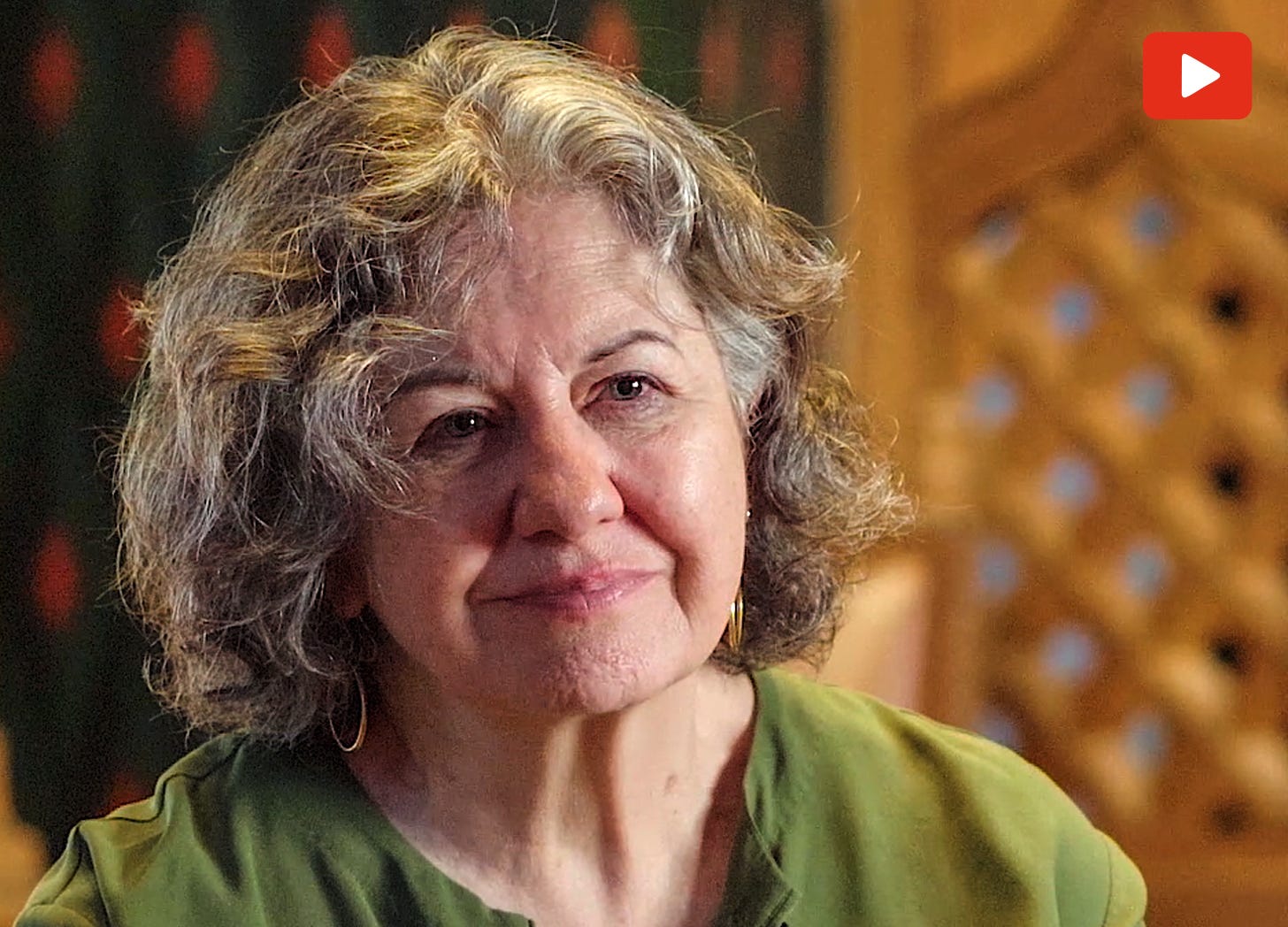
Do we owe each other something — and if so, what?
Harvard sociologist Michèle Lamont traces how narratives about the future shape the moral boundaries between groups, determining who is seen as deserving of solidarity and who faces exclusion. When societies project insecurity and scarcity, fear and opportunity hoarding follow; when they imagine shared futures, the door to collective care opens.
We asked:
“What role does imagining the future play in understanding social difference?”
Lamont’s framework of moral boundaries and narrative-driven inequality is explored in greater depth in Episode 1 of the Futures of Difference podcast. Her analysis of how future-oriented narratives produce real-world closure and exclusion is one of the most powerful conceptual contributions to emerge from the series.
About: Prof. Michèle Lamont is a Robert I. Goldman Professor of European Studies and Professor of Sociology and of African and African American Studies at Harvard University. A cultural and comparative sociologist who studies inclusion, inequality, and how societies evaluate social worth; past President of the American Sociological Association (2016).
Full statement
What role does imagining the future play in understanding social difference?
“We can think about the question of how we imagine the future as having a direct impact on how we think about differences and mostly what we think about one another, what we owe one another. So as we project ourselves into the future, we come up with narratives about the moral standing or the moral value of different groups. And to this is connected vision of who owes what to whom.
So that’s one level. Another level is how we understand our environment. So if we project to a future where there’s a very high level of insecurity, a zero sum of resources, people then cultivate fear and resentment and there’s a lot of anxiety about downward mobility. So all these things influence how we perceive people who are different from us, whether we are inclined to think in terms of solidarity or whether we’re inclined to think in terms of opportunity hoarding and closure to keep all the resources for people like us.
So this question of narratives, I mean, imagining the future has a very direct impact on the creation of inequality where processes such as closure and opportunity hoarding play an absolutely central role.”
Futures of Difference is produced by Steven Vertovec at the Max Planck Institute for Political and Social Science (formerly the Max Planck Institute for the Study of Religious and Ethnic Diversity).