
How Social Categorization Distributes Power
Short · Johanna Lukate on why social categories mutate rather than disappear

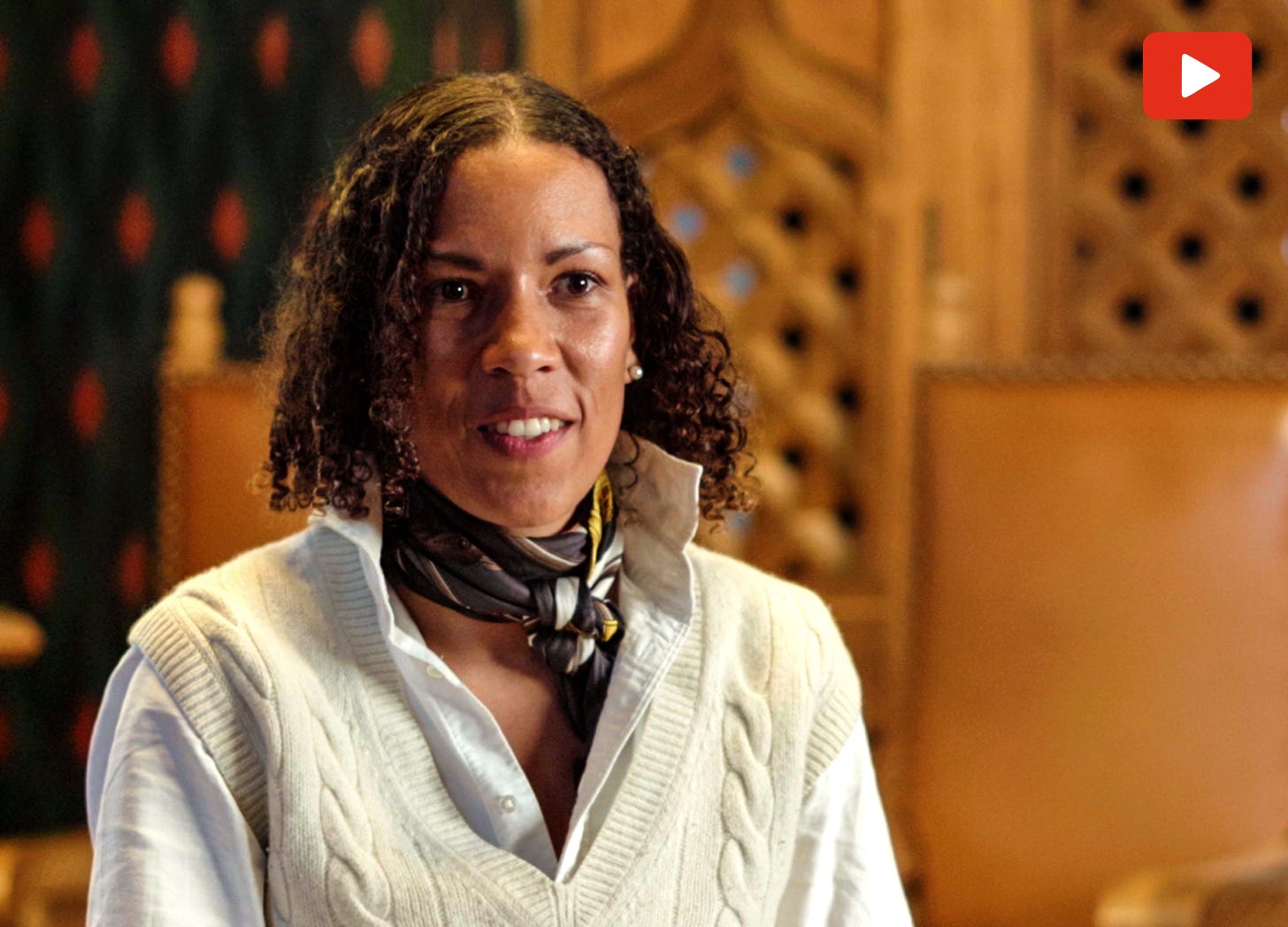
We like to believe that adding "post-" to a category — "post-racial," "post-colonial" — means we have moved beyond its power dynamics.
Social psychologist Johanna Lukate challenges this assumption directly. In this short from the Futures of Difference workshop at Schloss Ringberg, she argues that categories of social difference never vanish; they mutate, and the distribution of power mutates with them.
We asked:
“What is the most important thing to bear in mind when imagining or thinking about futures of social difference?”
Lukate’s provocation — “who is imagined as part of the future and who is being left out?” — goes to the heart of the Futures of Difference platform’s inquiry into how social categorization shapes inclusion and exclusion over time.
About: Dr. Johanna Lukate is a social psychologist (PhD, University of Cambridge) and Research Group Leader at the Max Planck Institute for Human Development, who also heads the Minerva Fast Track Research Group “Migration, Identity and Blackness in Europe” at the Max Planck Institute for Political and Social Science (formerly the Max Planck Institute for the Study of Religious and Ethnic Diversity). Her research examines social identity, belonging, and the African and Black diasporas in Europe.
Full statement
What is the most important thing to bear in mind when imagining or thinking about futures of social difference?
Difference is not a natural or static category, but it is a dynamic and constructed and historically political process. So really what we need to look at and bear in mind are the institutional, historical and ideological forces that shape social difference and the categories of social difference over time. So we need to always bear in mind the evolution of categories.
How the distribution of power comes into play and shapes the categories. And I think one trap that we might fall into is to kind of like think that if we attach post, I don’t know, post-racial post whatever, to a process to think that we have overcome the dynamics of that category, but really oftentimes categories just mutate or change over time. And so the question that we need to ask moving forward is, who is imagined as part of the future and who is being left out as categories mutate?
Futures of Difference is produced by Steven Vertovec at the Max Planck Institute for Political and Social Science (formerly the Max Planck Institute for the Study of Religious and Ethnic Diversity).