
Dystopia, Utopia, and Difference
Short · Phil Kasinitz on cosmopolitanism, demographic necessity, and national identity
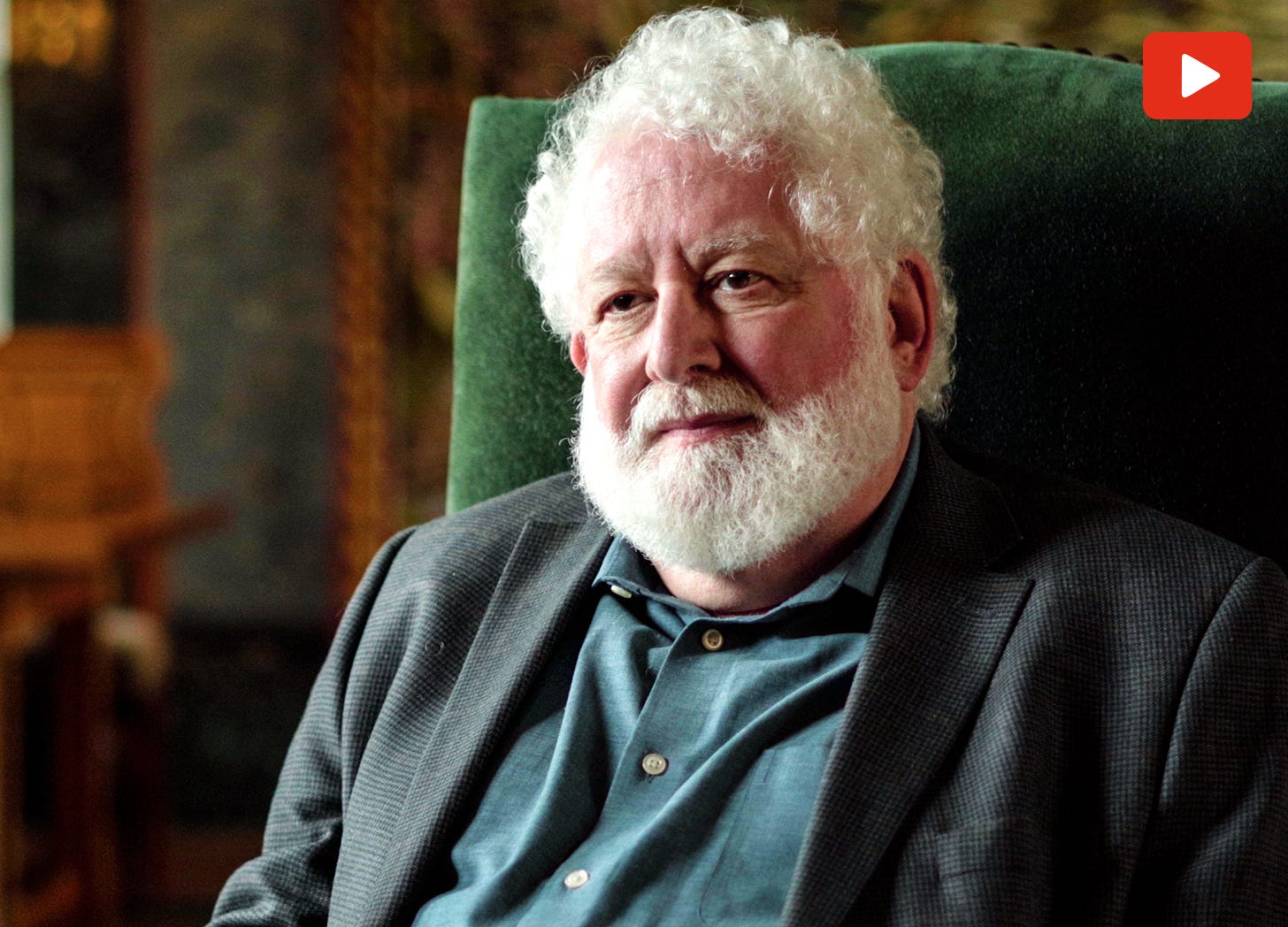
How do we extend communities of care and solidarity beyond national boundaries in a world where migration is both inevitable and resisted?
Sociologist Phil Kasinitz paints two dystopias — one of political exclusion, the other of bounded solidarity — before arriving at a striking vision of cosmopolitanism. His utopia is a world where difference is permanent and productive, where no government and no patriarch can dictate what a woman wears, and where we learn to see all children as "our babies."
We asked:
“Can you imagine a dystopic or utopic future with regard to social difference?”
Kasinitz’s argument that difference is economically productive and that cosmopolitanism requires defending individual autonomy against both state and community coercion is one of the most vivid formulations to emerge from the Futures of Difference workshop. His demographic realism — that declining-population societies will have to accept migration regardless of political preferences — grounds the ethical argument in material necessity.
About: Prof. Phil Kasinitz is a presidential Professor of Sociology at the CUNY Graduate Center, specializing in immigration, race and ethnicity, and urban social life. His co-authored book Inheriting the City won the ASA Distinguished Scholarly Book Award (2010).
Full statement
Can you imagine a dystopic or utopic future with regard to social difference?
My dystopia is societies in which a significant portion of the population is part of that society economically and therefore because people are people socially and culturally, but not politically. I think that that’s in some ways the danger that we now face and the danger that many of the advanced societies are facing. It’s particularly a problem in democratic societies.
I think a related but somewhat softer dystopia is what you sometimes hear, particularly I think in some otherwise admirable social democratic contexts, the Scandinavian countries for example, that says that we cannot extend communities of dignity and care and solidarity to everyone on the planet. Therefore, we need to bound that in terms of culture or in terms of national identity which is really very much in contradiction to the fact that all of these places with declining populations are going to have to take on more people in coming years because of climate change, because of falling fertility rates, because migration for all of its problems is actually a very efficient and non-authoritarian way of getting people from places where there are too many to places where there are too few.
This is going to happen. We just, I think, need to be able to think about this. The current irony is that populist regimes in many countries, including my own, are also concerned that the fertility rate is too low and is trying to get people to make babies. But they don’t want other people’s babies. So my utopia is how do we convince the world that they’re all our babies, you know, and how do we extend beyond these kind of narrow hard-line boundaries and start to think of a world in which we can argue that difference is good, that difference is economically productive, that difference creates innovation, and that as a result, kind of cosmopolitanism that accepts that difference is permanent, that you don’t have to assimilate or integrate into some other culture, but that also it’s blurry at the edges.
My utopia’s a world in which no government will tell a woman she can’t wear a headscarf in public and no imam or father will be able to tell her she has to. And that both of those are rights worth defending.
Futures of Difference is produced by Steven Vertovec at the Max Planck Institute for Political and Social Science (formerly the Max Planck Institute for the Study of Religious and Ethnic Diversity).